


MODULE 3. Core Content – Knowledge Base (Trainer Background)
Most young people don’t set out to spend hours online — it “just happens.”
Automatic digital habits are shaped by boredom, emotions, notifications, social pressure, and the reward systems discussed in Module 2. But understanding the psychology is only the starting point.
This module focuses on the “how” of behaviour change: how youth can build healthier boundaries, how mindfulness supports self-regulation, and how youth workers can guide this process with compassion, flexibility, and realism.
We’re not aiming for perfection or strict control. We’re teaching young people the skills to pause, choose, and create balance.
Learning Objectives & Expected Outcomes
After completing this module, you’ll be able to:
- Explain the purpose of digital boundaries in relatable, non-judgmental language.
- Help young people identify their screen habits, triggers, and energy patterns across the day.
- Teach simple, accessible mindfulness tools that support intentional screen use.
- Guide youth in experimenting with small, realistic habit changes.
- Support youth in designing daily and weekly routines that protect rest, connection, and focus.
- Model balanced digital behaviour as a youth worker.
Module Overview – What This Module Covers
In this module, you’ll discover:
- What digital boundaries really are (and what they are not).
- Why screen time often spirals beyond intention.
- How mindfulness acts as a “pause button” before automatic scrolling.
- Simple practices to help youth check in with themselves.
- Practical strategies for healthier routines.
- Engaging activities for exploring boundaries collaboratively.
Core Content – Knowledge Base (Trainer Background)
What Are Digital Boundaries?
Digital boundaries are self-chosen agreements about when, where, and how a person uses technology. They are not rules imposed by adults, nor strict limits that create guilt or resistance.
Healthy boundaries help young people:
- protect sleep
- protect attention and focus
- reduce stress and comparison
- make intentional choices
- create space for offline activities
- understand their needs and energy patterns
Youth-friendly explanation:
A digital boundary is a promise you make to yourself about technology so your online life and offline life both feel good.
Why Screen Time Spirals Out of Control
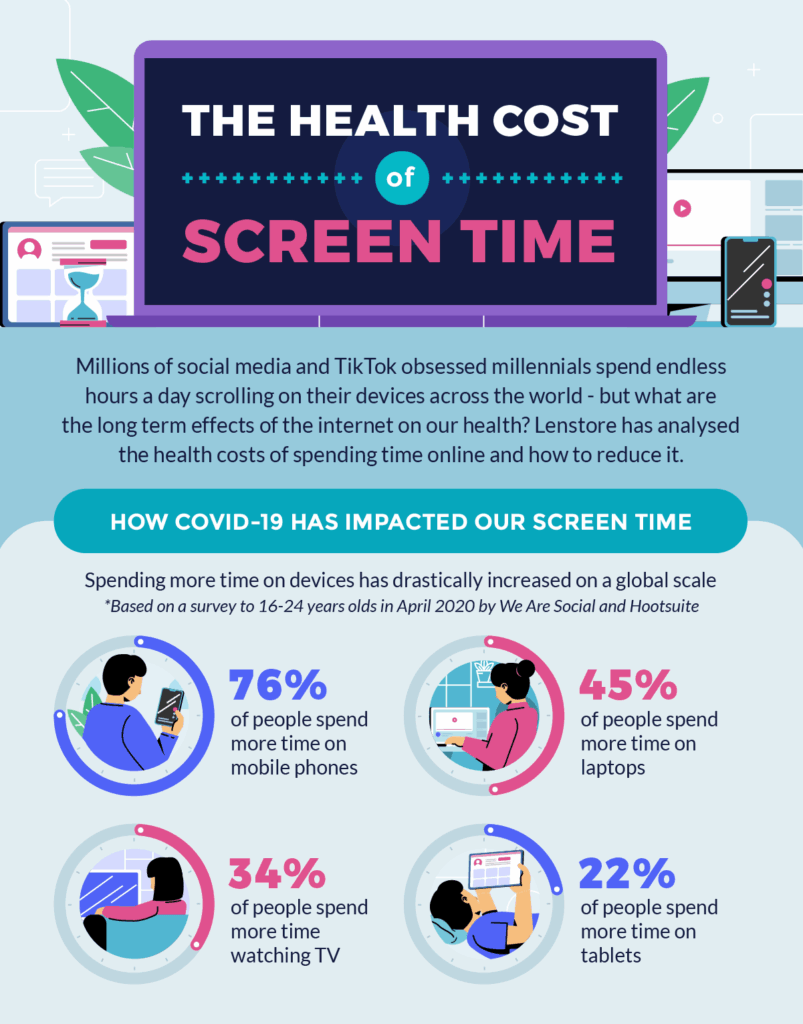
Young people rarely plan to stay online longer than intended. Here’s why boundaries can be difficult:
- Design features override intention. Autoplay, infinite scroll, notifications, rewards.
- Emotional triggers (Module 2). Boredom, overwhelm, loneliness, avoidance.
- Habit loops. If a behaviour solves something quickly, the brain repeats it.
- Lack of “pause moments”. The moment between feeling something and opening the phone is so fast that youth often don’t notice it happening.
- Social expectations. Fear of missing out, pressure to respond instantly, maintaining streaks.
Boundaries help create breathing room between impulse and action — and this is where mindfulness becomes essential.
Mindfulness: The Essential Pause Button
Mindfulness supports digital boundaries by strengthening the space between:
Trigger → Feeling → Impulse → Behaviour
Instead of reacting automatically, mindfulness helps youth ask:
- “Why am I opening my phone right now?”
- “What am I feeling?”
- “Is this actually what I want to do?”
This moment of awareness gives young people the power to choose.
Mindfulness Definition: Mindfulness means paying attention to what is happening right now — in your body, your thoughts, and your surroundings — with curiosity and without judgment.
Screens encourage quick, unconscious reactions.
Mindfulness encourages slow, conscious choices.
Together, they balance one another.
Simple Mindfulness Tools for Digital Well-being
Digital Wellbeing: Techniques for Managing Screen Time
All of these can be taught in 1–3 minutes.
A.The 3-Breath Pause
- Deep breath in
- Slow breath out
- Ask yourself:
- “What am I feeling?”
- “What am I hoping this device will give me?”
Why this helps: Calms the nervous system → increases clarity → interrupts habit loops.
B. Box Breathing (4–4–4–4)
Breathe in 4 → Hold 4 → Exhale 4 → Hold 4.
Why this helps: Regulates stress and improves focus before using a device intentionally.
C. 5-Senses Grounding (“10 Things Exercise”)
Notice 2 things you see, hear, feel, smell. Ideal when youth feel overwhelmed.
D. Micro-Movements
Neck roll, shoulder stretch, 20-second shake.
Why this helps: Physical reset → breaks dissociation → reconnects body awareness.
Building Practical Digital Boundaries
Effective boundaries are:
- chosen by the young person
- small, realistic, and flexible
- linked to needs, not control
- supported by awareness of triggers
Examples of youth-designed boundaries:
- “No phone at breakfast.”
- “I’ll charge my phone outside my bedroom.”
- “I check social media only after homework.”
- “Gaming stops at 22:00 because of sleep.”
- “I turn off notifications from two apps I don’t need.”
The goal is one small shift, not a full lifestyle overhaul.
Balanced Daily & Weekly Routines
A balanced routine includes opportunities for:
- rest (sleep hygiene)
- creativity
- social connection
- movement
- nature
- meaningful offline activities
Youth worker tip:
Ask: “What part of the day feels the hardest for you without your phone?”
This identifies where boundaries need the most support.
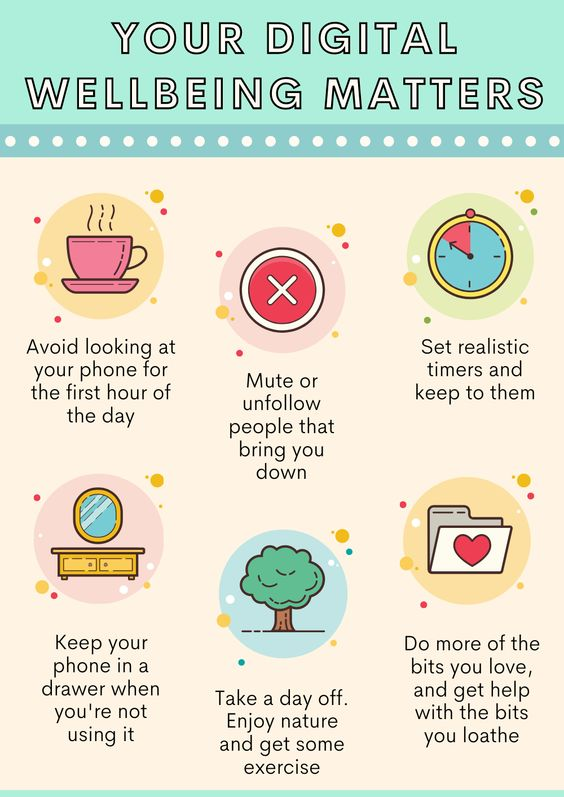
Why This Helps
Mindfulness increases impulse control. Young people become less reactive and more intentional.
Small boundaries reduce overwhelm. Tiny changes work better than strict plans or restrictions.
Routines reduce decision fatigue. Youth don’t need to “fight temptation” all day — habits do the work.
Youth-led boundaries build ownership. They change because they want to, not because adults impose rules.